
.png)


Essential Repairs: Tools for DIY Projects

When it comes to home improvement, having the right tools can make all the difference. Whether you're a seasoned DIY enthusiast or just starting out, understanding which tools are essential for various repairs can save you time, money, and frustration. In this guide, we will explore the must-have tools for DIY projects, how to use them effectively, and tips for maintaining them.
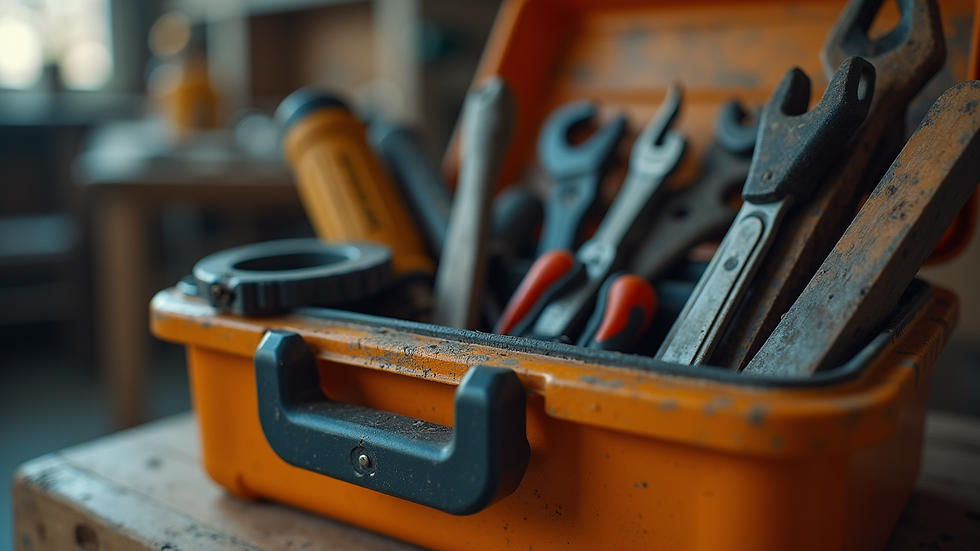
Understanding the Basics of DIY Tools
Before diving into specific tools, it's important to understand the categories they fall into. DIY tools can generally be divided into three main categories:
Hand Tools: These are tools that do not require power to operate. They are essential for basic repairs and tasks.
Power Tools: These tools use electricity or batteries to operate and can make tasks quicker and easier.
Specialty Tools: These are specific tools designed for particular tasks, such as plumbing or electrical work.
Hand Tools
Hand tools are the backbone of any DIY toolkit. Here are some essential hand tools you should consider:
Hammer: A basic yet crucial tool for driving nails into wood or other materials. Look for a claw hammer, which has a flat side for driving and a curved side for removing nails.
Screwdrivers: A set of both flathead and Phillips screwdrivers is necessary for various tasks, from assembling furniture to fixing appliances.
Pliers: These are useful for gripping, twisting, and cutting wires. Needle-nose pliers are particularly handy for tight spaces.
Tape Measure: Accurate measurements are key to any project. A 25-foot tape measure is a good all-around choice.
Utility Knife: Perfect for cutting through materials like cardboard, rope, or drywall. Ensure you have replacement blades on hand.
Power Tools
Power tools can significantly speed up your projects. Here are some essential power tools to consider:
Drill/Driver: A cordless drill is versatile for drilling holes and driving screws. Look for one with adjustable speed settings.
Circular Saw: Ideal for cutting wood and other materials quickly and accurately. Ensure you have the right blade for the material you're cutting.
Sander: A power sander can save you hours of manual sanding. Orbital sanders are great for general use.
Jigsaw: This tool is perfect for making intricate cuts in wood, metal, or plastic. It's especially useful for curved cuts.
Specialty Tools
Depending on your projects, you may need some specialty tools:
Pipe Wrench: Essential for plumbing tasks, a pipe wrench helps grip and turn pipes.
Stud Finder: This tool helps locate wooden or metal studs behind walls, making it easier to hang heavy items securely.
Level: Ensuring your projects are straight and level is crucial. A standard bubble level or a laser level can help.
Tips for Using Your Tools Effectively
Having the right tools is only part of the equation. Here are some tips for using them effectively:
Read the Manual: Always read the user manual for power tools to understand their features and safety precautions.
Practice Safety: Wear safety goggles, gloves, and ear protection when necessary. Always be aware of your surroundings.
Keep Tools Organized: A well-organized workspace can improve efficiency. Use a toolbox or pegboard to keep tools accessible.
Regular Maintenance: Clean your tools after use and check for any wear or damage. Proper maintenance can extend the life of your tools.
Maintaining Your Tools
Proper maintenance is key to ensuring your tools last for years. Here are some maintenance tips:
Cleaning: Wipe down tools after each use to remove dirt and debris. For power tools, use a soft brush to clean vents and moving parts.
Sharpening: Keep blades sharp for better performance. Use a sharpening stone or file for hand tools and follow the manufacturer's instructions for power tools.
Storage: Store tools in a dry place to prevent rust. Use toolboxes, pegboards, or magnetic strips for organization.
Common DIY Projects and the Tools You'll Need
Now that you know the essential tools, let's look at some common DIY projects and the tools required for each.
Painting a Room
Tools Needed:
Paint roller and tray
Paintbrushes
Drop cloths
Painter's tape
Ladder
Installing Shelves
Tools Needed:
Drill/driver
Level
Stud finder
Screwdriver
Tape measure
Repairing a Leaky Faucet
Tools Needed:
Adjustable wrench
Screwdrivers
Plumber's tape
Bucket (to catch water)
Building a Garden Bed
Tools Needed:
Circular saw
Drill/driver
Hammer
Tape measure
Level
Conclusion
Equipping yourself with the right tools is essential for any DIY project. From hand tools to power tools, each has its place in your toolkit. By understanding how to use and maintain these tools, you can tackle a variety of home improvement tasks with confidence. Remember, the key to successful DIY projects lies not just in having the tools, but in knowing how to use them effectively. So gather your tools, plan your next project, and get started on making your home the best it can be!

Comments